
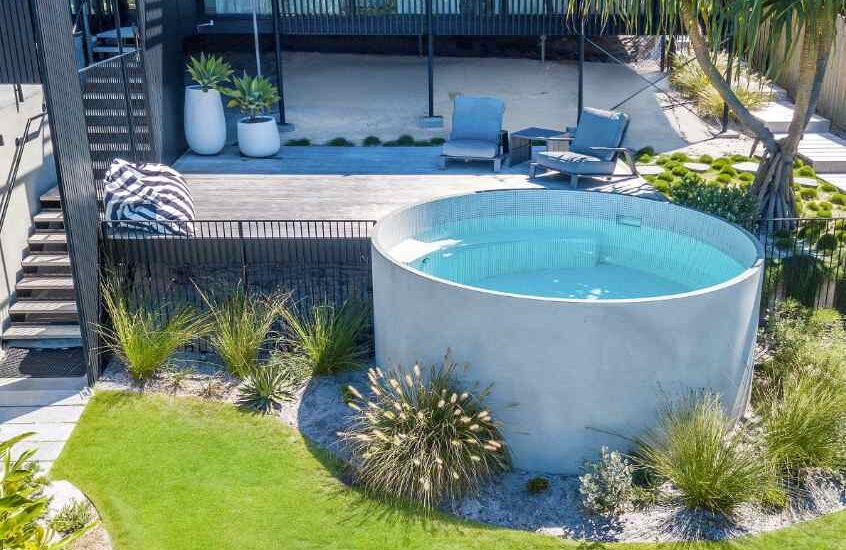
You want a pool without spending $60,000. Good news: above ground pool installation can get you swimming in one to three days for a fraction of that cost. Most homeowners spend between $1,500 and $7,500 with installation included. But rushing through the process leads to wasted money and headaches.
This guide tells you exactly how to avoid that.
How Much Does Above Ground Pool Installation Cost?
The pool kit itself runs $800 to $5,000 depending on size and material. Professional installation adds $1,000 to $3,000 on top of that.
But the real number is higher. Here’s what people forget to budget for:
- Permits: $100–$300 in most cities
- Pump and filter: $250–$2,000
- Fencing: Often required by code, $1,500–$4,000
- Monthly maintenance: $85–$150 for chemicals and electricity
In my experience, the pool price is only half the story. Plan for the full picture before you buy.
How Do You Prepare the Ground?
The mistake I see most often is skipping ground prep. A bad base leads to wall damage, liner tears, and even collapse. Here’s what actually works:
- Pick a flat spot at least 6 feet from fences, trees, and power lines.
- Remove all grass and roots. Never place a pool on top of sod.
- Check level across the full area. You need it within 1 inch.
- Lay 2–3 inches of compacted mason sand as your base.
If your yard slopes more than 3 inches, cut into the high side. Never build up the low side with loose dirt. That’s how pools fail.
Should You DIY or Hire a Pro?
This depends on your yard and your skills. Be honest with yourself.
DIY works if: Your ground is already fairly level, you own basic tools, and you have a helper for a full weekend.
Hire a pro if: Your yard slopes, you need electrical hookups, or you want a warranty on the work.
Professional labor averages around $1,500, with bigger jobs hitting $3,000. That’s money well spent for a pool you’ll use for years.
What Pool Material Is Best?
- Steel: Most common. Strong and affordable. Can rust over time in humid areas.
- Resin: Won’t rust or get hot in the sun. Great for wet climates. Costs a bit more.
- Aluminum: Lightest and longest-lasting. Best for harsh weather. Most expensive option.
Pick the material that fits your climate and your budget. Don’t just go with the cheapest option.
When Is the Best Time to Install?
Late spring: April through early June. Installers have open schedules, pool shops run pre-season sales, and you’ll be ready before summer hits.
Waiting until July means higher prices, longer wait times, and sold-out stock. Plan ahead.
Final Words
Above ground pool installation is simple when you do the prep work right. Here’s your action plan:
- Set a full budget for the pool, installation, permits, fencing, and maintenance.
- Call your local building department to check permit rules.
- Level your ground properly or pay someone to do it.
- Choose the right material for where you live.
- Buy and book before peak summer to save money.
Your backyard pool is closer than you think. Start with step one today, and you’ll be floating by the Fourth of July.